

When it comes to filtered water, everyone wants the cleanest and safest option. Many households rely on water filter pitchers for convenient access to purified water without the hassle of installing complex filtration systems. If you’ve ever wondered whether Brita or Pur is the better choice, you’re not alone. The brita vs pur debate has been ongoing among families, students, and anyone who cares about water quality. Having used both over the past year, I’ve seen firsthand how they differ in performance, ease of use, and overall value.
In this article, we’ll break down everything you need to know to decide which pitcher is the best fit for your home.
Understanding Brita: Features, Benefits, and Performance
How Brita Filters Work
Brita pitchers use activated carbon and ion-exchange resin to reduce common tap water contaminants. These include chlorine, which often affects taste and odor, and some heavy metals like copper and mercury. The Brita vs Pur comparison often highlights that Brita is excellent at improving the taste of water for everyday drinking.
- Activated carbon captures chlorine and organic compounds.
- Ion-exchange resin reduces metals and improves overall safety.
Real-life example: A family in New York reported that switching to a Brita pitcher made their tap water taste noticeably fresher, especially when used for cooking and making beverages.
Design and Usability
Brita pitchers are designed for simplicity. Most models fit easily in refrigerator doors and feature a simple flip-top lid for easy filling. Some advanced versions include electronic filter change indicators, which help users remember when to replace the filter.
- Lightweight and easy to pour
- Dishwasher-safe components
- Large capacity options for families
Cost and Availability
Brita is often more affordable than Pur, both in initial purchase price and filter replacements. Filters generally last around 40 gallons or two months of regular use. This makes Brita an attractive choice for budget-conscious households.
- Starter pitchers can cost as low as $20
- Replacement filters typically $6-$10 each
- Widely available in stores and online
Exploring Pur: Strengths and Unique Features
Pur Filtration Technology
Pur pitchers also use activated carbon but often include additional filtration layers designed to reduce a wider range of contaminants. Pur is known for targeting heavy metals like lead more effectively than Brita. In regions with older plumbing or higher levels of lead, this can be an important consideration.
- Advanced carbon filtration
- Lead reduction certified
- Chlorine and other chemical reduction
Case study: In a midwestern household with older pipes, switching to Pur significantly lowered lead levels, providing peace of mind for parents with young children.
Ease of Use and Design
Pur pitchers have a slightly different design, with some models featuring a rounded body and a large ergonomic handle. The filter replacement indicator is clear and easy to read. Many users find Pur slightly faster at filtering water, though both brands offer convenient refill systems.
- Sleek modern design
- Clear fill lines and indicators
- Refrigerator-friendly sizes
Price and Maintenance
Pur pitchers are slightly more expensive upfront but are praised for longer filter lifespans in some models. A standard Pur filter also lasts around 40 gallons or two months, keeping maintenance manageable.
- Prices start around $25 for basic pitchers
- Replacement filters cost $10-$15
- Widely available online and in stores
Brita vs Pur: Key Comparison Points
Filtration Performance
When comparing Brita vs Pur, performance is often the deciding factor. Both pitchers improve taste and remove chlorine, but Pur edges out Brita in heavy metal reduction, especially lead. Brita excels in taste enhancement and ease of use, making it perfect for everyday drinking.
- Brita: great for taste, chlorine reduction
- Pur: stronger against heavy metals, slightly faster filtration
Convenience and Design
Both brands are convenient, but Brita’s lighter design and simpler fill mechanism appeal to families and individuals who want quick access to filtered water. Pur’s ergonomic handle and modern appearance may be preferred by those seeking aesthetics alongside functionality.
- Brita: lightweight, user-friendly
- Pur: ergonomic, visually sleek
Cost and Value
Affordability often tilts in Brita’s favor, while Pur offers slightly higher upfront costs but potentially more robust filtration. Families on a budget may prefer Brita, while those concerned with heavy metals may invest in Pur for added peace of mind.
- Brita: low-cost, budget-friendly
- Pur: slightly higher cost, better heavy metal protection
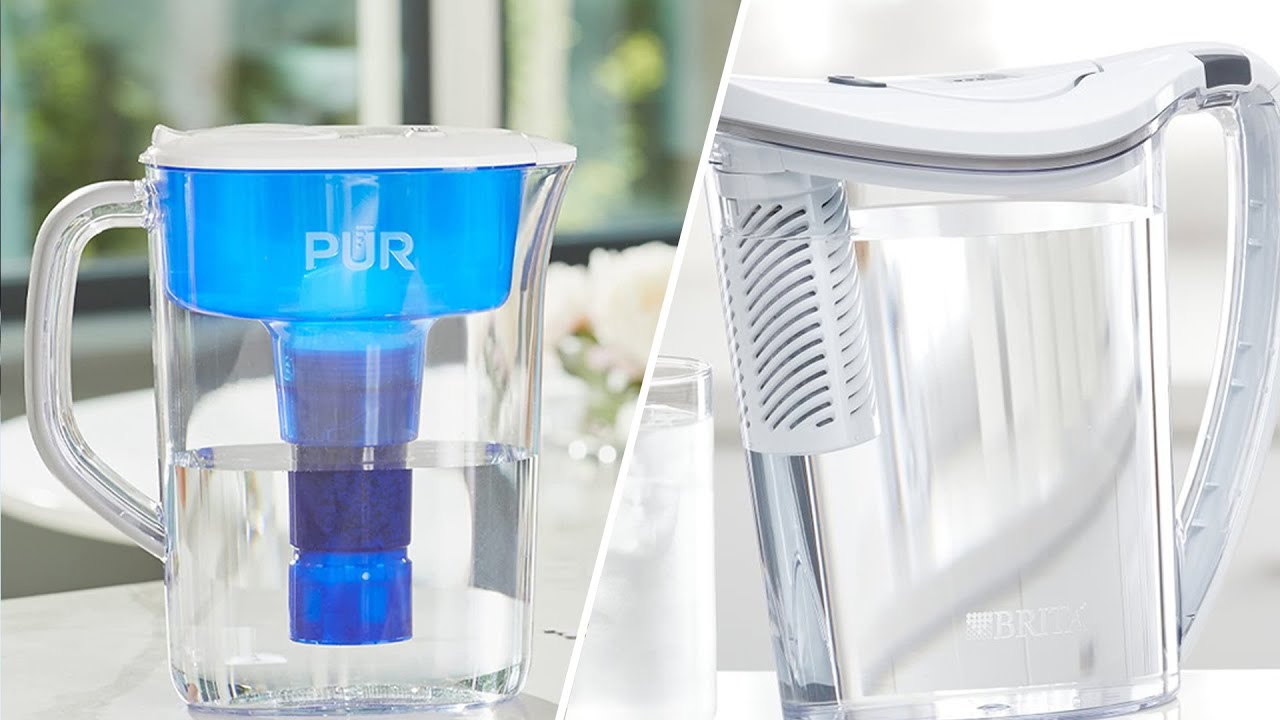
Real-Life Experiences: Brita vs Pur
Household Water Taste
I personally tested both pitchers over several months. The Brita pitcher produced water that tasted smooth and clean, particularly noticeable in coffee and iced tea. Pur water tasted slightly crisper and had the reassurance of additional filtration layers.
Daily Use and Maintenance
Maintaining both pitchers was simple. Filters needed changing every two months, and the pitchers were easy to clean. Brita’s flip-top lid made refilling effortless, while Pur’s design slightly slowed down the process but felt sturdier overall.
Summary of Differences
In short, choosing between Brita vs Pur comes down to personal priorities:
- If you want the best taste and lowest cost, Brita is ideal.
- If you are concerned about lead and prefer slightly advanced filtration, Pur is the better fit.
Brita vs Pur: Comparing Filtration Effectiveness
Contaminant Reduction
When it comes to Brita vs Pur, the main concern for most users is how effectively each pitcher reduces contaminants. Both Brita and Pur are excellent at removing chlorine, improving taste and odor. However, in the Brita vs Pur comparison, Pur tends to have a slight edge in reducing heavy metals like lead. If your tap water has noticeable chlorine or occasional metal taste, understanding Brita vs Pur filtration effectiveness helps you make an informed choice.
Taste and Quality of Water
Another critical factor in the Brita vs Pur debate is the taste and overall quality of filtered water. Many users report that Brita water tastes smoother, while Pur water feels crisper and cleaner. In the Brita vs Pur discussion, personal preference often determines which pitcher you prefer, but both deliver safer, better-tasting water than unfiltered tap water.
Brita vs Pur: Ease of Use and Design
User-Friendly Features
A significant part of the Brita vs Pur debate revolves around convenience. Brita pitchers often feature a simple flip-top lid, making refills quick and effortless. Pur pitchers, while slightly bulkier, include ergonomic handles and clear indicators for filter replacement. Considering Brita vs Pur, ease of use can be the deciding factor for families or busy individuals who refill water frequently.
Refrigerator Compatibility
When comparing Brita vs Pur, design also matters in how well the pitcher fits in your fridge. Brita pitchers are usually lightweight and fit neatly in refrigerator doors, making access simple. Pur pitchers are slightly taller but offer modern designs that fit most fridge shelves. The Brita vs Pur comparison shows that both are convenient, but small design differences can influence daily usage.
Brita vs Pur: Cost, Value, and Long-Term Benefits
Initial Price and Filter Replacement
In the Brita vs Pur debate, price plays a significant role. Brita pitchers are generally more affordable upfront, and replacement filters cost less than Pur filters. When evaluating Brita vs Pur, consider both initial cost and ongoing expenses to determine which offers the best long-term value for your household.
Overall Value for Home Use
Looking at Brita vs Pur from a broader perspective, both provide significant value. Brita is budget-friendly and reliable for daily drinking, while Pur offers stronger protection against heavy metals, which can be vital in certain areas. The Brita vs Pur discussion shows that choosing the right pitcher depends on balancing cost, convenience, and filtration needs for your home.
Conclusion: Making the Right Choice for Your Home
Deciding between Brita and Pur ultimately depends on your household needs, water quality, and budget. Both pitchers deliver clean, safe, and better-tasting water than untreated tap water. Brita offers simplicity, affordability, and great taste, while Pur provides enhanced heavy metal reduction and a slightly sleeker design. By weighing these factors and considering your personal preferences, you can confidently choose the pitcher that fits your lifestyle best.
When asking, is Brita vs Pur worth it?, the answer is yes for both, as they significantly improve water quality and are convenient for daily use. Your choice should focus on the features you value most. Go back to the homepage to find fresh ideas and trending topics.
FAQs
What are the main differences between Brita and Pur pitchers?
The primary differences lie in filtration capabilities and design. Brita focuses on taste and chlorine reduction, while Pur is stronger against heavy metals like lead. Brita is lighter and more budget-friendly, and Pur offers a sleeker design and slightly faster filtration.
How often should I change the filters in Brita and Pur pitchers?
Both Brita and Pur filters should generally be replaced every 40 gallons or approximately every two months of regular use. Advanced models may offer longer lifespans, and filter replacement indicators make it easier to track when a change is needed.
Can Brita and Pur pitchers remove all contaminants from tap water?
No water filter pitcher can remove all contaminants. Both Brita and Pur reduce chlorine, certain heavy metals, and improve taste, but they cannot remove bacteria, viruses, or all chemicals. For complete water purification, more advanced filtration systems may be necessary.